
The essentials
A A high PSA level does not mean you have cancer: the most common cause is benign prostate enlargement, and levels can also be raised by prostatitis, urinary tract infections or even a recent ejaculation.
What it does suggest, however, is that a urological assessment is advisable: repeat the test, interpret the result in light of your age and, if necessary, complete the investigation with magnetic resonance imaging y prostate biopsy.
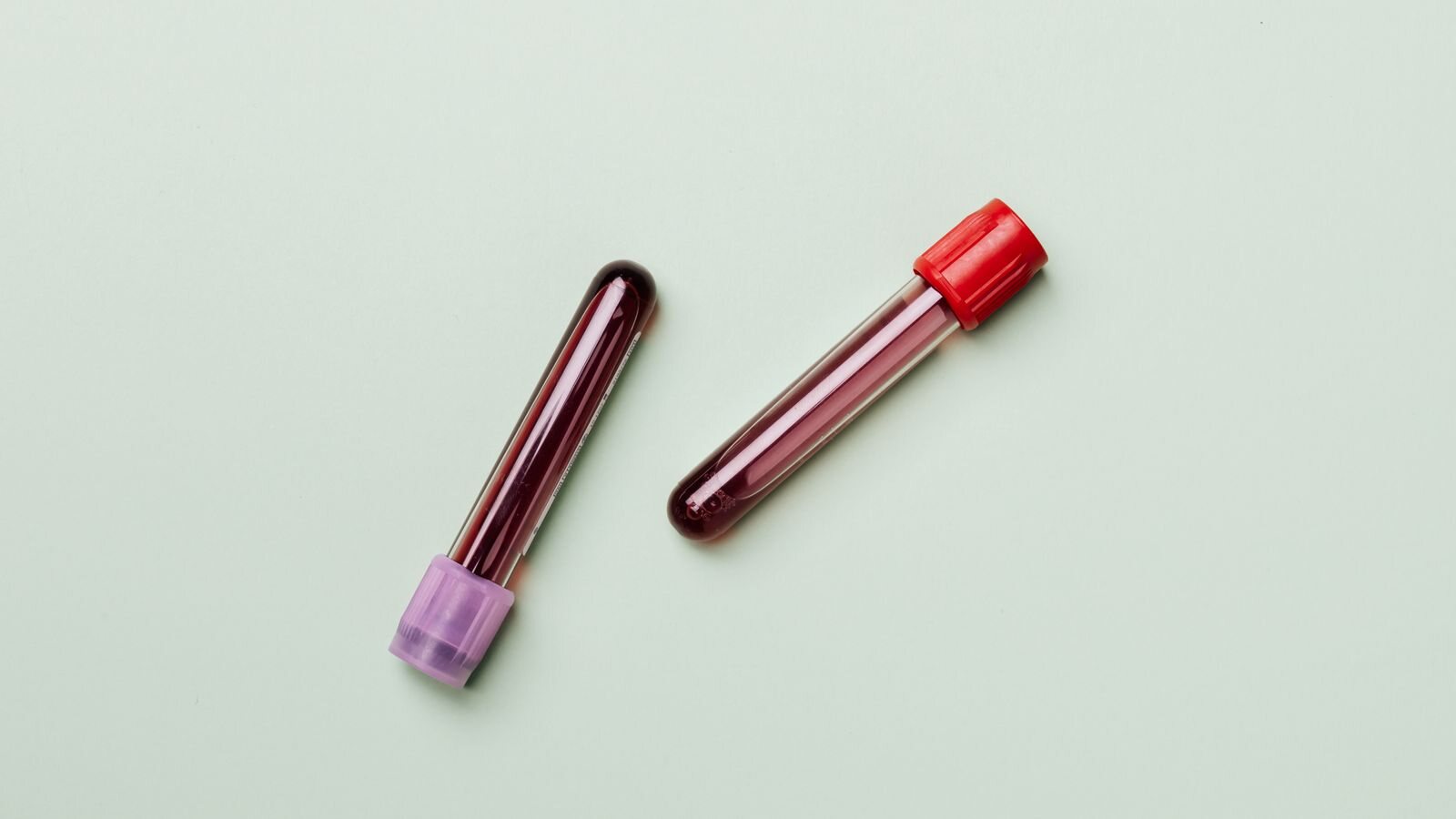
Receiving a blood test result with the PSA level highlighted in red can be very worrying. This is understandable, but the PSA is a non-specific marker: it can rise for many reasons, and most of these have nothing to do with cancer. We explain what it measures, what causes it to rise, and what sensible steps to take next.
What is PSA?
PSA (prostate-specific antigen) is a protein produced by the prostate which passes into the blood in small quantities. It is measured by a standard blood test. As it is produced by any prostate tissue, whether healthy or diseased, its level depends on the size of the prostate, the patient’s age and any condition that causes inflammation or irritation of the prostate.
Causes of a high PSA level
| Reason | What’s going on? |
|---|---|
| Benign prostatic hyperplasia | The prostate grows as we get older and produces more PSA. This is the most common cause. |
| Prostatitis | Inflammation or infection of the prostate can cause a significant temporary rise in PSA levels. |
| Urinary tract infection | PSA levels may rise over a period of several weeks. |
| Ejaculation or recent exercise | Ejaculation in the days leading up to it, or cycling, can raise it slightly. |
| Prostate examination | A recent examination, cystoscopy or biopsy upsets him. |
| Prostate cancer | It is a possible cause, which is why a high PSA level should be investigated. |
What is a normal value?
There is no single figure that distinguishes between what is normal and what is pathological. For years, 4 ng/ml was taken as a reference value, but today this figure is interpreted in conjunction with other data: the age (PSA levels rise naturally with age), the prostate size and, above all, the development: A PSA level that remains stable is less of a cause for concern than one that rises rapidly between two tests.
What tests are carried out afterwards?
- Repeat the PSA after a few weeks, under the right conditions, to confirm that it is elevated.
- Exploration of the prostate and, if there are symptoms, a urine analysis to rule out an infection.
- Free PSA: The ratio of free to total PSA helps to distinguish benign growth from other causes.
- Ultrasound scan to measure the prostate and calculate the PSA density (PSA relative to volume).
- Prostate MRI scan: European guidelines recommend it prior to a biopsy, as it pinpoints suspicious areas and avoids unnecessary biopsies.
- Prostate biopsy, only when the preceding data warrant it. At our clinic, the procedure is carried out under sedation and with pain relief to ensure patient comfort.
High PSA and an enlarged prostate
If the cause is a benign prostatic hyperplasia, a high PSA level is not a problem in itself, but urinary symptoms do warrant treatment when they cause discomfort. Today, there are minimally invasive options such as Summary, the iTind device or laser surgery HoLEP. Bear in mind that some prostate medicines reduce PSA levels by about half, and your urologist takes this into account when interpreting your test results.
Frequently asked questions
What PSA level is considered high?
There is no single figure. For years, 4 ng/ml was used as a reference, but the normal range increases with age and the size of the prostate. The urologist interprets the result based on your age, your previous test results and the physical examination.
Does a high PSA level mean I have prostate cancer?
Not necessarily. The most common cause of an elevated PSA level is benign prostate enlargement, although prostatitis or a urinary tract infection can also cause it to rise. Only the following tests can rule out or confirm cancer.
Can stress raise PSA levels?
There is no solid evidence that stress in itself raises PSA levels. However, recent ejaculation, intense exercise such as cycling, infections or manipulation of the prostate can cause a temporary rise in PSA levels.
How can I lower my PSA level?
The important thing is not to lower the level but to treat the underlying cause: if there is an infection, it is treated and the PSA level usually returns to normal. Some prostate medicines reduce the PSA level by about half, so the urologist needs to know if you are taking them in order to interpret the result correctly.
My PSA level is high and the biopsy result was negative – what should I do?
PSA levels are monitored regularly and, where appropriate, a prostate MRI scan is carried out to identify any suspicious areas that may not have been detected by a previous biopsy. Your urologist will advise you on the appropriate follow-up.
Has your PSA level come back high?
We review your test results, explain what they mean in your case and recommend only the tests you need, in Alicante and Elda.
Alicante: 5 Av. de la Estación, Unit 29 (Maternum Clinic) · 965 98 15 58
Elda: La Feria Clinic, 43 Pablo Iglesias Street · 966 98 01 53
Also because of WhatsApp o video consultation.
Sources: Guidelines from the European Association of Urology (EAU) · MedlinePlus: PSA test · Spanish Association of Urology. This article is for information purposes only and is not a substitute for a specialist’s assessment.
 English (UK)
  Español
  Deutsch
  Français